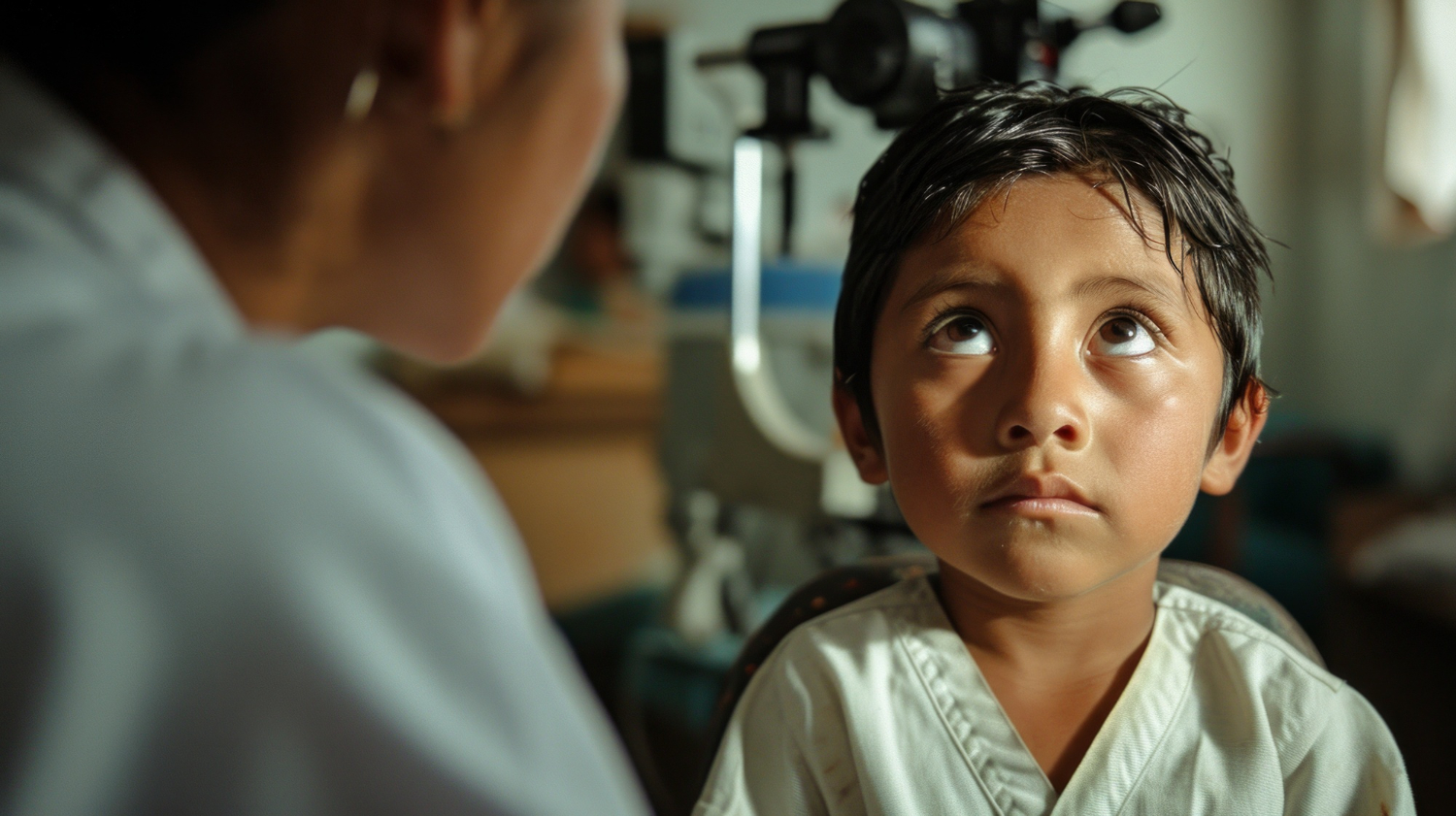
Parents should consult a child neurologist when a child shows delays in speaking, understanding language, movement, or daily activities. Early evaluation helps identify developmental or neurological issues and allows the child to start the right therapies early.
Doctors like Dr Richa, Child Neurologist, help diagnose conditions related to brain development in children. Once the issue is identified, therapies such as speech therapy and occupational therapy can support the child’s development.
Real Statistics Parents Should Know
Developmental delays are more common than many parents realize.
Some important statistics include:
- Around 1 in 6 children has a developmental or behavioral delay.
- Nearly 10% of children experience speech or language delay.
- Developmental disorders affect millions of children worldwide, according to global health studies.
These numbers show why early consultation and therapy support are important for children.
Early Signs Parents Should Not Ignore
Children develop at different speeds, but some warning signs should not be ignored.
Parents should consider consulting a specialist if a child:
- Is not speaking words clearly by age two
- Has difficulty understanding simple instructions
- Struggles to hold objects or perform daily tasks
- Shows poor coordination or balance
- Has trouble interacting with others
- Finds it difficult to focus on activities
When these signs appear, early neurological consultation and therapy can make a big difference.
Common Problems and Their Solutions
|
Problem in Children |
Possible Support |
|
Speech delay or unclear speech |
Speech Therapy |
|
Difficulty understanding language |
Speech Therapy |
|
Poor hand coordination |
Occupational Therapy |
|
Trouble performing daily activities |
Occupational Therapy |
|
Difficulty focusing on tasks |
Occupational Therapy |
Both therapies work together to improve a child’s communication and daily functioning.
Myths vs Facts About Child Development
|
Myth |
Fact |
|
Children will start speaking automatically with age. |
Speech delays should be evaluated early. |
|
Therapy is only needed for severe conditions. |
Therapy helps even mild developmental delays. |
|
Developmental issues disappear with time. |
Early therapy improves long-term outcomes. |
Understanding these facts helps parents take timely action.
Why Speech Therapy and Occupational Therapy Are Important
These therapies support children in building essential life skills.
Speech Therapy helps children:
- Improve communication
- Develop language skills
- Express thoughts clearly
- Understand instructions
Occupational Therapy helps children:
- Improve motor skills
- Develop coordination
- Perform daily activities independently
- Improve attention and focus
When started early, these therapies support better learning and social development.
How Listening Ears Helps Children in Noida
This is where Listening Ears plays a big role in supporting children with developmental challenges in Noida.
Listening Ears focuses on structured therapy programs designed to help children improve communication skills and daily functioning. The center works with children who experience developmental delays, speech difficulties, or coordination problems.
Through personalized therapy plans, children receive guidance that helps them gradually improve their abilities.
The center provides:
- Speech Therapy
- Occupational Therapy
These therapies help children improve their speech clarity, communication skills, motor coordination, and ability to perform everyday activities.
Bottom Line
Early consultation with specialists like Dr Richa, Child Neurologist, can help identify developmental challenges in children.
However, medical diagnosis alone is not enough. Children often need structured therapy to improve communication and daily skills.
Centers like Listening Ears in Noida support children through focused speech therapy and occupational therapy, helping them build important skills that support their growth and development.
Early support can make a lasting difference in a child’s future.